
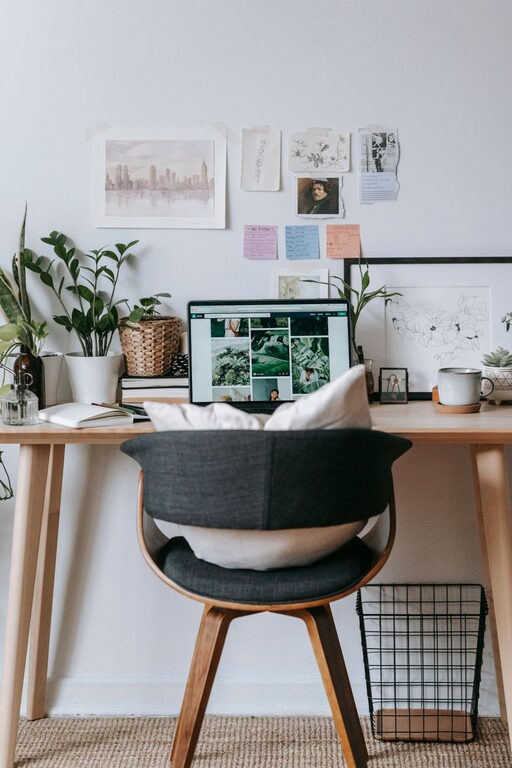
Creating a cozy and functional home office space is essential for anyone who works from home or needs a dedicated area for study, hobbies, or managing daily tasks. Whether you have a small corner or an entire room, designing a workspace that combines comfort with efficiency can make a significant difference in your focus and well-being. Here are practical tips to help you create a home office that feels welcoming and helps you stay productive.
Choose the Right Location
Selecting the ideal spot for your home office is the first step. Ideally, this space should offer:
– Good natural light: Position your desk near a window to take advantage of daylight, which can uplift your mood and reduce eye strain.
– Minimal distractions: Avoid areas with heavy foot traffic or noise if possible. A quiet part of your home helps maintain focus.
– Sufficient space: Even a small nook can work if it allows you to have your essentials organized without feeling cramped.
If space is limited, consider multifunctional furniture or spaces that can be transformed when needed, such as a fold-out desk or a corner in a living room equipped with storage solutions.
Invest in Comfortable Furniture
Comfort plays a crucial role in maintaining productivity during long periods of work. Key pieces include:
– Ergonomic chair: Choose a chair that supports your back and encourages good posture. Adjustable height and lumbar support are big pluses.
– Functional desk: The desk should be the right height and size for your work needs. If you use multiple screens or paperwork, ensure you have enough surface area.
– Additional seating: If space allows, a small comfy chair can provide a change of position and a spot for brainstorming or reading.
Don’t forget to personalize your desk setup with accessories like a keyboard tray or monitor stand to keep your posture aligned and wrists supported.
Optimize Lighting
Proper lighting reduces eye strain and creates a welcoming atmosphere. For best results:
– Combine natural and artificial lights: While natural light is preferred during the day, balance it with adjustable desk lamps or overhead lighting for cloudy days or evening work.
– Use warm light bulbs: Warm light gives a cozy feeling compared to harsh cool-toned lights, which can feel sterile.
– Position lighting thoughtfully: Avoid glare on your computer screen by placing lights to the side or behind your line of vision.
Keep It Organized and Clutter-Free
A tidy workspace helps clear your mind and enhances productivity. To stay organized:
– Use storage solutions: Shelves, filing cabinets, and drawer organizers keep documents and supplies neatly stored.
– Implement cable management: Use clips, tubes, or Velcro straps to prevent cords from tangling and cluttering your desk.
– Limit decorative items: Personal touches are important, but too many objects can create distractions. Choose a few meaningful or inspiring pieces.
Set aside a few minutes at the end of each day to straighten your desk and file papers. It helps start each day fresh and focused.
Personalize Without Overwhelming
Adding personal elements makes your workspace more inviting and uniquely yours. Ideas include:
– Plants: Small indoor plants or succulents bring a touch of nature, improve air quality, and add color.
– Artwork or photos: Hang or place images that inspire or relax you but avoid overcrowding the walls.
– Soft textiles: Consider adding a cushion, throw blanket, or a soft rug to introduce warmth and texture.
These little touches can boost your mood and make your office feel less like a chore zone and more like a comfortable corner of your home.
Create Zones for Different Tasks
If your work involves different activities (computer work, brainstorming, meeting with clients), designating areas for these can enhance efficiency:
– Primary work zone: Your main desk area with computer and primary tools.
– Reference zone: A shelf or table for books, manuals or documents.
– Relaxation or creative zone: A comfy chair or standing desk for breaks, reading, or creative thinking.
Even in a small space, thoughtful arrangement helps you switch between tasks smoothly and reduces fatigue.
Manage Noise and Improve Acoustics
Noise distractions can disrupt concentration. To keep sound at bay:
– Use rugs and curtains: These soft materials help absorb sound.
– Consider noise-cancelling headphones: Useful if you work in a noisy household or shared space.
– White noise machine or apps: Some people find background noise like rain, waves, or soft music helpful for focus.
If possible, add a door or room divider to separate your office visually and acoustically from other spaces.
Technology and Connectivity
In today’s remote work environment, reliable technology is a must. Ensure:
– Strong internet connection: Consider a wired connection or a signal booster if Wi-Fi is weak.
– Proper equipment: Invest in good-quality headsets, microphones, and cameras if you join virtual meetings.
– Backup solutions: Use cloud storage and external hard drives to protect your work.
Organize your tech to avoid tangled cables and keep your desk neat.
Maintain a Healthy Work Routine
Finally, a cozy and functional office supports a healthy routine:
– Take breaks: Stand, stretch, or walk around regularly.
– Keep hydration nearby: A water bottle or mug encourages healthy habits.
– Set clear work hours: Define your start and end times to separate work from leisure.
Your office setup should support this balance to keep you energized and motivated.
—
Creating a cozy and functional home office is about combining comfort, organization, and thoughtful design. Whether you work full-time at home or occasionally need a dedicated space, these tips can help you craft an environment that supports your productivity and well-being. With a bit of planning, your home office can become your favorite room in the house.