
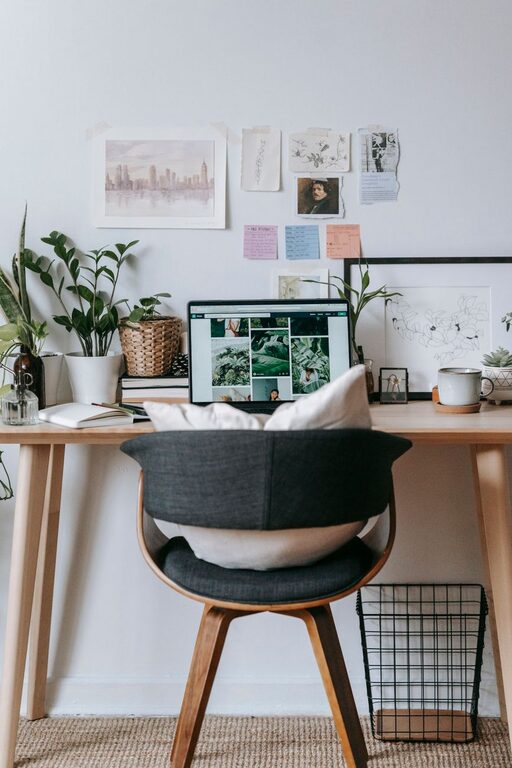
Creating a cozy and functional home office space is essential for anyone who works from home or needs a dedicated area for productivity. A thoughtfully designed workspace can boost your focus, reduce stress, and make working at home more enjoyable. Whether you have a spare room, a corner of your living room, or even a nook under the stairs, these tips will help you design an office that fits your needs.
Choose the Right Location
The first step in setting up your home office is picking the best spot. Ideally, find a quiet area with minimal distractions. If possible, choose a space with natural light, as it can improve mood and energy levels. Avoid high-traffic zones to maintain focus during work hours.
Focus on Comfort and Ergonomics
Since you’ll be spending long periods at your desk, comfort is key. Invest in a good ergonomic chair that supports your back and encourages good posture. Pair it with a desk at the right height to avoid strain on your wrists and shoulders. Consider adding a footrest if your feet don’t comfortably touch the floor.
Organize with Purpose
A cluttered workspace can cause unnecessary stress. Use storage solutions such as shelves, filing cabinets, or desk organizers to keep materials tidy and within reach. Label boxes and folders to save time when looking for documents. Keeping your office organized will make it easier to focus and stay efficient.
Personalize Your Space
Adding personal touches makes your office more inviting. Choose décor that reflects your style, like framed photos, inspirational quotes, or plants. Indoor plants not only brighten the room but also help purify the air and reduce stress. Just be sure not to over-decorate; the space should remain functional and free from distractions.
Optimize Lighting
Lighting plays a big role in your productivity and comfort. Natural light is ideal, but you’ll also need good task lighting for darker times of the day. A desk lamp with adjustable brightness can reduce eye strain. Warm light tones foster a cozy atmosphere, while cooler tones help keep you alert.
Use Colors Wisely
The colors in your home office can affect your mood and creativity. Soft, neutral colors like beige, pale blue, or light gray create a calm environment. If you prefer something more lively, add bursts of color through accessories like cushions, artwork, or a colorful chair. Just be careful not to pick overly bright or distracting hues.
Create Zones for Different Activities
If you have enough space, separate your home office into zones. For example, your main desk for computer work, a comfy chair or nook for reading and brainstorming, and a storage area for supplies. Each zone should be organized and suited to its specific purpose to maximize efficiency.
Minimize Noise and Distractions
If noise is a challenge, consider soundproofing options like rugs, curtains, or even acoustic panels. Noise-canceling headphones can help you concentrate as well. Keep your phone and other potential distractions in another room or on silent during work hours.
Keep Technology in Check
Make sure your office has all the tech tools you need, from a reliable computer and fast internet to printers and chargers. Use cable organizers to keep cords tidy and prevent tangles. Having everything set up properly can save time and eliminate frustration.
Establish a Routine and Boundaries
Finally, treat your home office as a dedicated workspace. Set specific work hours and stick to them, just like you would in an office building. Let others in your home know your schedule to minimize interruptions. Taking breaks and maintaining a routine helps separate work from personal life, even when your office is at home.
—
Designing a home office that feels cozy yet functional can greatly improve your work-from-home experience. Remember to balance comfort with productivity, and tailor the space to fit your unique needs. With these tips, you’re ready to create an inspiring environment where you can focus, create, and feel at ease. Happy decorating!